Why Your Business Has No Second Sale From Existing Customers

Most business owners I meet are always talking about getting new customers. New leads. New enquiries. New markets. But when I ask them how many of their existing customers bought from them a second time in the last six months, there is usually a long pause. Then a rough number that is lower than it should be. This is one of the most expensive problems a small business can have — and most owners do not even realise it is a problem.
Here is the reality. Getting a new customer costs you five to seven times more than selling again to someone who already bought from you. They already trust you. They already went through the decision. They already know your product or service works. The hard part is done. But most businesses treat a completed sale as a closed chapter rather than the beginning of a relationship.
The first reason repeat sales die is simple neglect. Once the order is delivered, the invoice is raised, and the payment is collected, most business owners move on to the next lead. There is no follow-up call to check if the customer is happy. No message after two or three weeks. Nothing. The customer does not feel ignored on purpose — but they feel forgotten. And when their next need comes up, they open Google again and find someone else. Not because they were unhappy with you. Just because you were not in their head anymore.
The second reason is that businesses never give customers a reason to come back. There is no next step built into the sale itself. A clinic treats a patient and discharges them with a prescription. A manufacturer delivers a batch and closes the order. A service provider completes the project and sends the final file. Done. But done means gone. The best businesses I have worked with always have a natural next step baked in. A maintenance package. A refill cycle. A seasonal review call. An upgrade. Something that keeps the relationship open without being pushy.
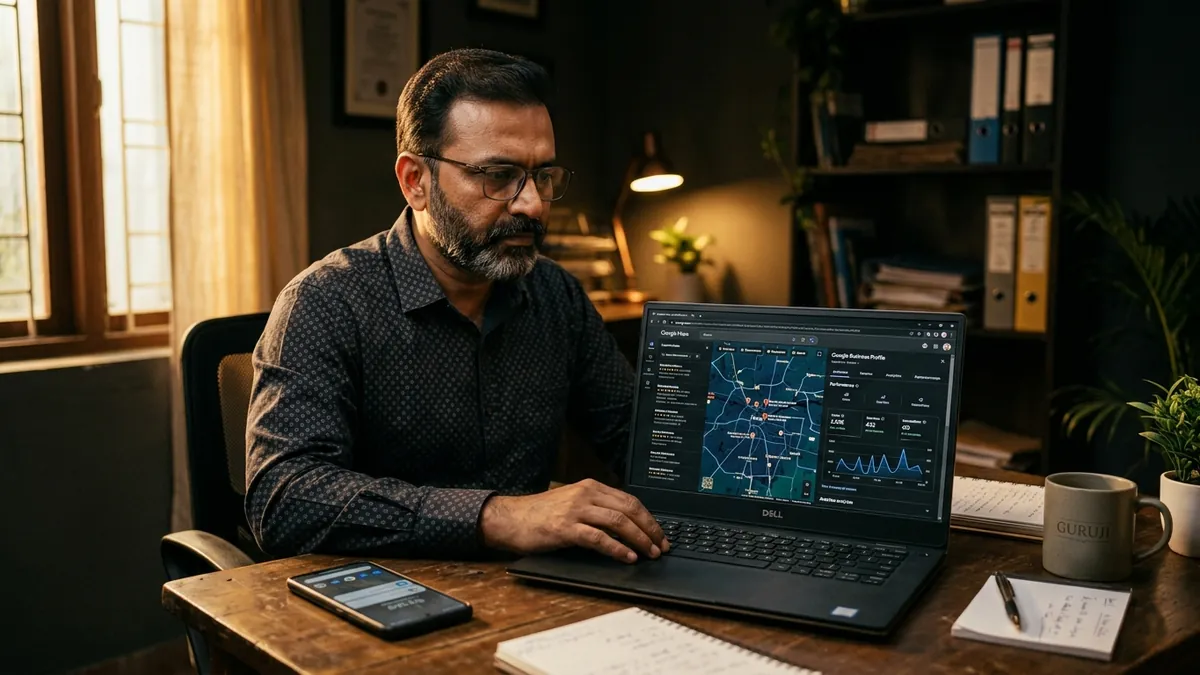
The third reason is that most small businesses have no system for staying in touch. Not a spammy newsletter system. Just basic human contact. A WhatsApp message on Diwali. A call before the season when their product category picks up. An email with one useful tip relevant to their business. I have seen a Bengaluru-based industrial supplier triple his repeat orders just by having his sales executive call existing customers every 45 days — not to sell, just to check in. That one habit changed the shape of his revenue. If you want to think through a system like this for your own business, a one-to-one consultation is often the fastest way to get a clear plan.
There is also a trust erosion problem that happens after the first sale. The customer bought from you when everything was fresh and promised. Then the product had a small quality issue, or the delivery was two days late, or the after-sales support was hard to reach. They did not complain loudly. They just quietly decided not to come back. Most business owners never find out why. They assume the customer moved on for price or proximity. But the real reason is an unresolved friction point that nobody tracked. Building a simple feedback loop — even just a WhatsApp message three days after delivery asking if everything is fine — catches these issues before they become silent exits.
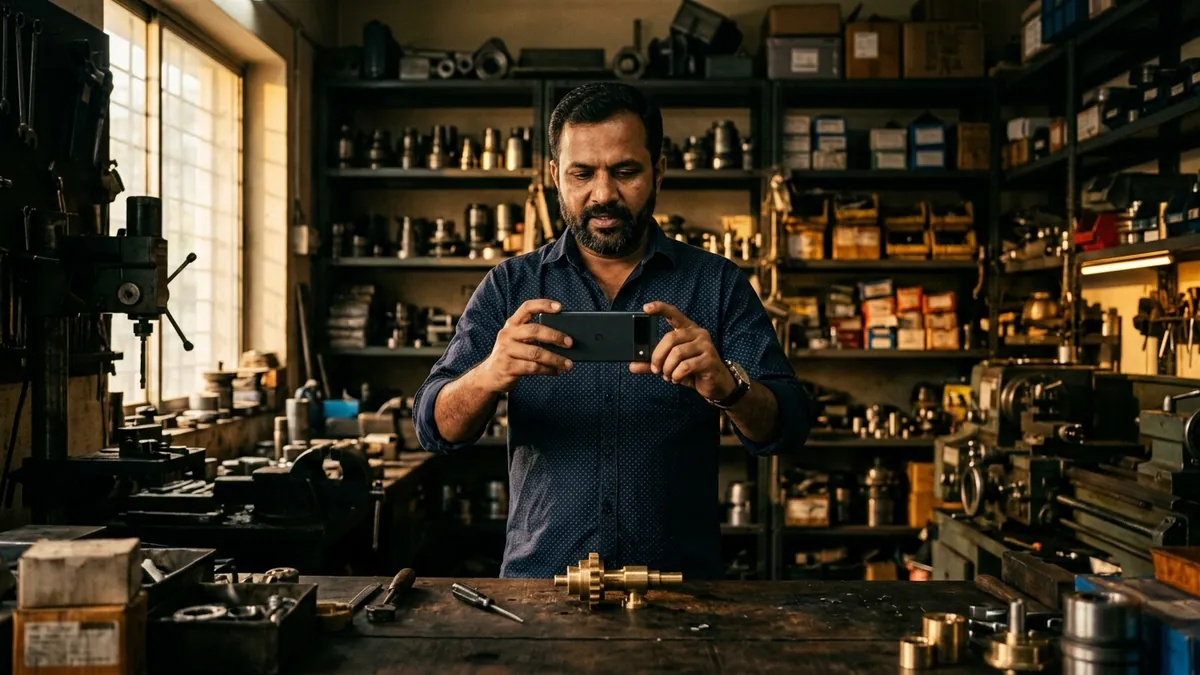
Another thing I see often with manufacturers and product businesses is that customers do not know the full range of what you offer. They bought one SKU. They do not know you also make three other variants that would solve a different problem they have. They do not know you started a new service line. Nobody told them. In India, most B2B and even many retail relationships run entirely on the strength of the first interaction and a salesperson's personal contact. The moment that salesperson leaves or gets busy, the relationship fades. A simple product catalogue update on WhatsApp Business, sent to existing customers once a quarter, does more for repeat orders than most advertising campaigns. I have written about this kind of approach before in the context of business growth workshops where we work through exactly these gaps with founding teams.
The fix is not complicated. Start with a list of every customer who bought from you in the last 12 months and has not bought again. That list is your most valuable sales asset. Reach out to ten of them this week. Not with an offer. Just a genuine check-in. Ask how things are going, whether the product is still working well, whether anything has changed in their requirements. You will be surprised how many conversations turn into orders simply because you called. People buy from businesses that make them feel like they matter — not just like a transaction.
Revenue growth for most MSMEs does not come from doubling the marketing budget or cracking a new market. It comes from fixing the leak in the bucket you already have. Your existing customers are the easiest growth available to you right now. They just need to feel remembered. If you are serious about building a business where repeat sales happen by design rather than by accident, let us talk — you can reach me directly through the contact page and we can figure out what the right next step looks like for your specific business.
Want to understand where your business growth is stuck?
Book a Business Growth Diagnostic with Abhijit JK — an honest, focused 60-minute one-to-one session with Abhijit JK on your brand, website and growth.
Book a Business Growth Diagnostic