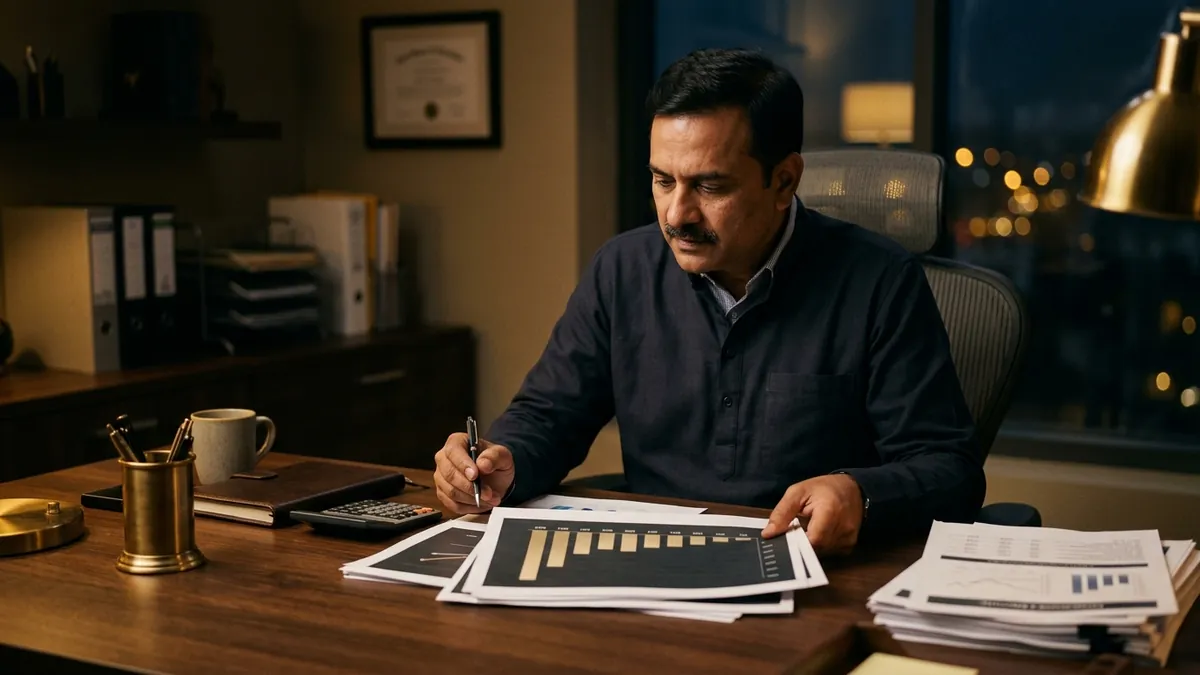
Why Your Business Gets Enquiries But Loses Them at Proposal

Most business owners I meet are not losing enquiries on the phone call. The conversation goes well. The prospect asks questions. There is genuine interest. Then the founder sends a proposal PDF and the silence begins. Two days pass. A week. A follow-up WhatsApp gets a polite 'we are still evaluating' and then nothing. This is the most common revenue leak I see in Indian MSMEs — and almost nobody talks about it.
The problem is not the price in the proposal. I want to say that clearly because most founders immediately assume the prospect went with someone cheaper. Sometimes that is true. But more often, the proposal itself killed the deal. A proposal is not a quotation. It is a sales document. The moment you treat it like an invoice waiting to happen, you lose the momentum the conversation built.
Here is what I see in most proposals from small business owners. Page one is the company introduction — who we are, how many years we have been in business, what services we offer. The prospect already knows this. They spoke to you. What they are now looking for is confirmation that you understood their problem. When they open a proposal and the first thing they read is your company history, the emotional connection from the call drops immediately.
The second issue is structure. A strong proposal should open with a restatement of the client's problem in your words. This shows listening. Then it should describe the outcome you are promising — not the list of deliverables, but the business result. After that comes the approach, the timeline, and only then the investment figure. Most proposals I review from manufacturers, consultants and service businesses do the exact opposite. They lead with deliverables and bury the outcome. The client reads a list of tasks and feels like they are reviewing a job description, not being invited to a solution.
The third issue is what I call the trust gap. In your meeting, your personality, your experience, your tone — all of it did the selling. Your proposal PDF has none of that. It is flat. So you need to put trust signals inside the document. A short case study from a similar client. One or two lines of what a past client said. A photograph of work done. Something that reminds the reader that a real expert wrote this. If you are unsure how to build that kind of positioning into your sales process, a one-to-one consultation is often the fastest way to audit exactly where your pipeline is leaking.
I have worked with a packaging manufacturer in Bengaluru who had a 60 percent enquiry-to-meeting conversion but a 12 percent proposal-to-closure rate. When we reviewed his proposals together, the problem was immediately visible. Every proposal was a templated Word document with the client's name changed at the top. Nothing in the body referenced anything specific from their conversation. The pricing had no context — it just appeared at the bottom like a bill. We restructured his proposal format over two weeks. His closure rate went above 30 percent in the next quarter without changing a single price.
Another thing that kills proposals is delay. If someone had a good conversation with you on Tuesday and your proposal reaches them the following Monday, you have already lost ground. A competitor who sends a thoughtful proposal within 24 hours looks more organised, more hungry and more reliable. Speed of response is a trust signal in itself. I know this feels obvious but I have seen service businesses take four and five days to send a proposal because the founder is busy doing the delivery work. That is a systems problem, and if that sounds familiar, our business growth workshops specifically cover how to separate your delivery work from your business development process.
One more thing. Your proposal needs a clear next step at the end. Most proposals I read just stop. There is a total figure and then the document ends. The prospect is left wondering what happens next. Do they sign something? Do they call you? Do they transfer an advance? Write the next step explicitly. Something like — 'If this looks right to you, here is how we move forward: a 30 minute call to confirm scope, followed by a simple agreement and a 50 percent advance to begin.' That clarity removes friction and makes it easy to say yes.
Fix your proposal before you spend another rupee on marketing, ads or lead generation. More enquiries into a broken proposal process just means more silence in your inbox. Get the conversion right first, then scale the top of the funnel. If you are not sure where your specific leak is — whether it is the proposal, the follow-up, the pricing structure or the way you are presenting value — feel free to contact me directly and we can figure it out together.
Want to understand where your business growth is stuck?
Book a Business Growth Diagnostic with Abhijit JK — an honest, focused 60-minute one-to-one session with Abhijit JK on your brand, website and growth.
Book a Business Growth Diagnostic