Why Your Enquiries Stop at Proposal and Never Close

Most business owners I meet tell me the same thing. Enquiries are coming in. WhatsApp messages, calls, form fills — people are reaching out. But by the time a proposal goes out, the conversation goes cold. No reply. No counter. Nothing. They assume the buyer found someone cheaper. Sometimes that is true. But most of the time, the problem is much closer to home.
Here is what is actually happening. When a buyer asks for a proposal, they are not ready to buy. They are still deciding. Your proposal is supposed to help them decide in your favour. But most proposals I have reviewed — from manufacturers, service firms, agencies, consultants — do not do that. They list what you offer, throw a price on it and stop there. That is not a proposal. That is a quotation. And quotations do not sell anything.
The first real problem is that most proposals do not speak to the buyer's situation. They speak about the seller. I have seen this with manufacturers who send a two-page PDF that is basically a company profile with pricing attached. The buyer is sitting with a problem on their side — a deadline, a budget concern, a previous bad experience with a vendor. Your proposal does not address any of that. So they put it aside and start looking again.
The second problem is the gap between proposal and follow-up. Most founders send the proposal and wait. Three days pass. Then they send one WhatsApp message saying 'Please check and revert.' That is not follow-up. That is hoping. Real follow-up means you call within 24 hours, ask one specific question about their requirement, and give them a reason to continue the conversation. Not a push. A pull. There is a difference. If you are not sure how to structure that conversation, a one-to-one consultation can help you build a follow-up process that actually works for your category and buyer type.
The third problem is pricing without context. You put a number on the proposal but the buyer does not know what they are comparing it against. They do not know what is included, what is not, what happens if something changes. So they go looking for someone who will explain it to them. That someone wins the deal — not because they are better, but because they made the buyer feel safe. The fix is simple. Add a short section to every proposal that explains what the price covers, what it does not, and what the buyer should expect in the first 30 days of working with you.
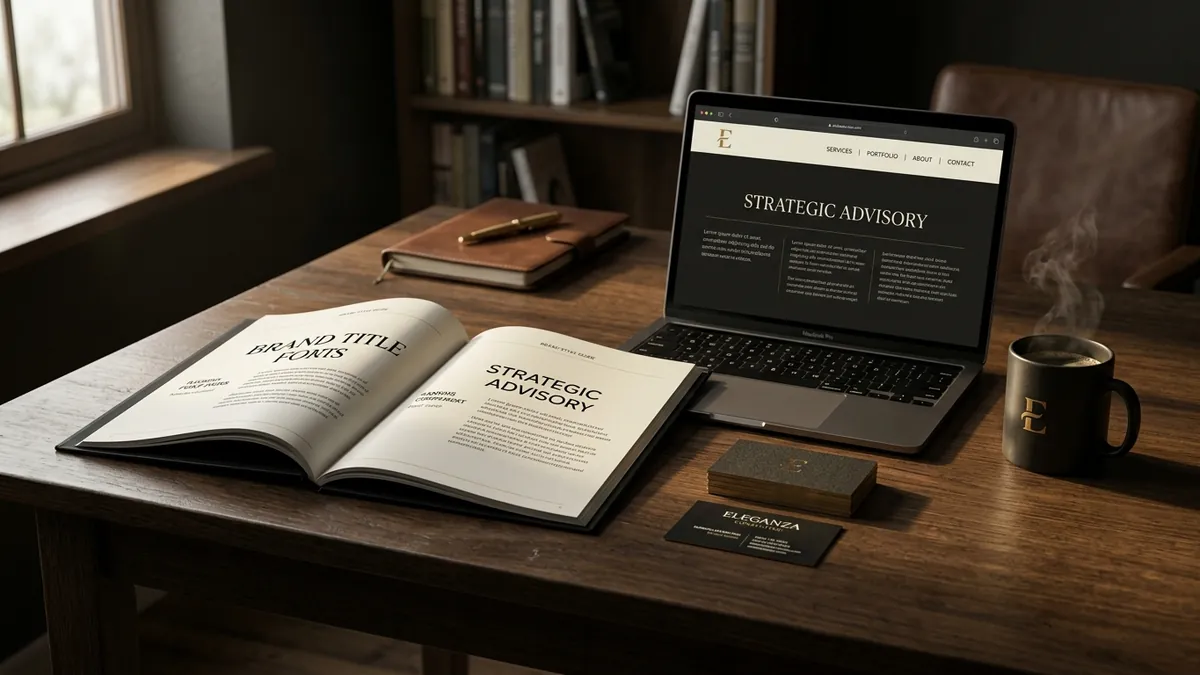
There is also something that almost nobody talks about — the format itself. A proposal that looks like it was assembled in five minutes tells the buyer something about how you will handle their work. I have worked with founders who were doing genuinely excellent work but sending proposals that looked like rough drafts. The buyer's brain connects presentation quality with delivery quality. It is not fair, but it is real. If your proposal design looks inconsistent or rushed, it creates doubt exactly at the moment when you need trust. You can explore how this connects to your overall brand perception in my about Abhijit page where I explain what I look at when working with a business.
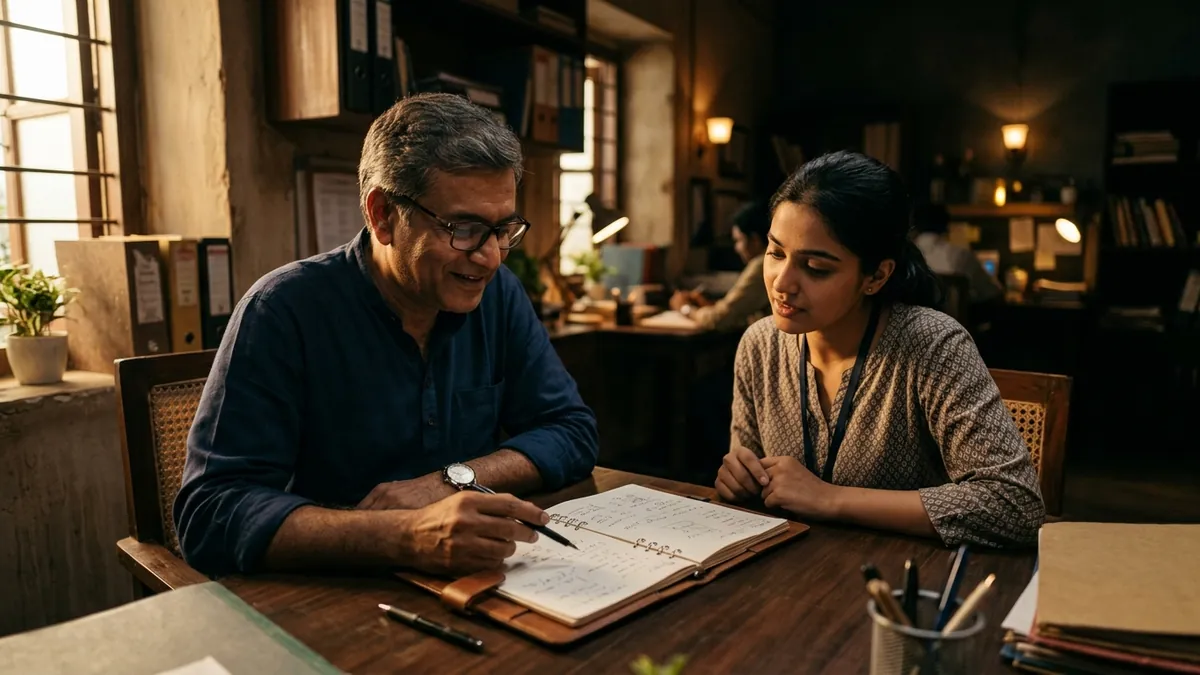
Another thing I keep seeing — proposals sent without a conversation. The founder gets a WhatsApp enquiry, asks a few basic questions, then fires off a proposal. But there was no real discovery. No understanding of why this buyer is looking now, what they tried before, what success looks like for them. Without that, your proposal is generic. Generic proposals get ignored. You need to have at least one call or voice note exchange before you send anything with a number on it. That one conversation will tell you how to frame the proposal so it feels written for them, not copy-pasted for anyone.
The fix is not complicated, but it does require a system. First, standardise your discovery questions — ask them before every proposal. Second, restructure your proposal to lead with their problem before you talk about your solution. Third, set a follow-up reminder the moment you send the proposal — not three days later, the next morning. Fourth, make your proposal look like it came from a business that takes presentation seriously. These are not big changes. They are the kind of small shifts that compound quickly. If you want to work through this with other founders facing the same blockers, the business growth workshops I run cover conversion systems like this in a hands-on format.
Enquiries are the hardest part of the sales cycle to generate. You are already doing that work. Do not let the proposal stage waste it. The buyer who reached out to you was interested. Your job is to keep that interest alive long enough to turn it into a decision. That requires a proposal that speaks their language, a follow-up that shows you care about their timeline, and a format that makes them feel confident they are dealing with a serious business. Fix those three things and your conversion rate will change — not over a year, but over the next few weeks.
Want to understand where your business growth is stuck?
Book a Business Growth Diagnostic with Abhijit JK — an honest, focused 60-minute one-to-one session with Abhijit JK on your brand, website and growth.
Book a Business Growth Diagnostic