Why Your Business Gets Walk-Ins But No Repeat Visits
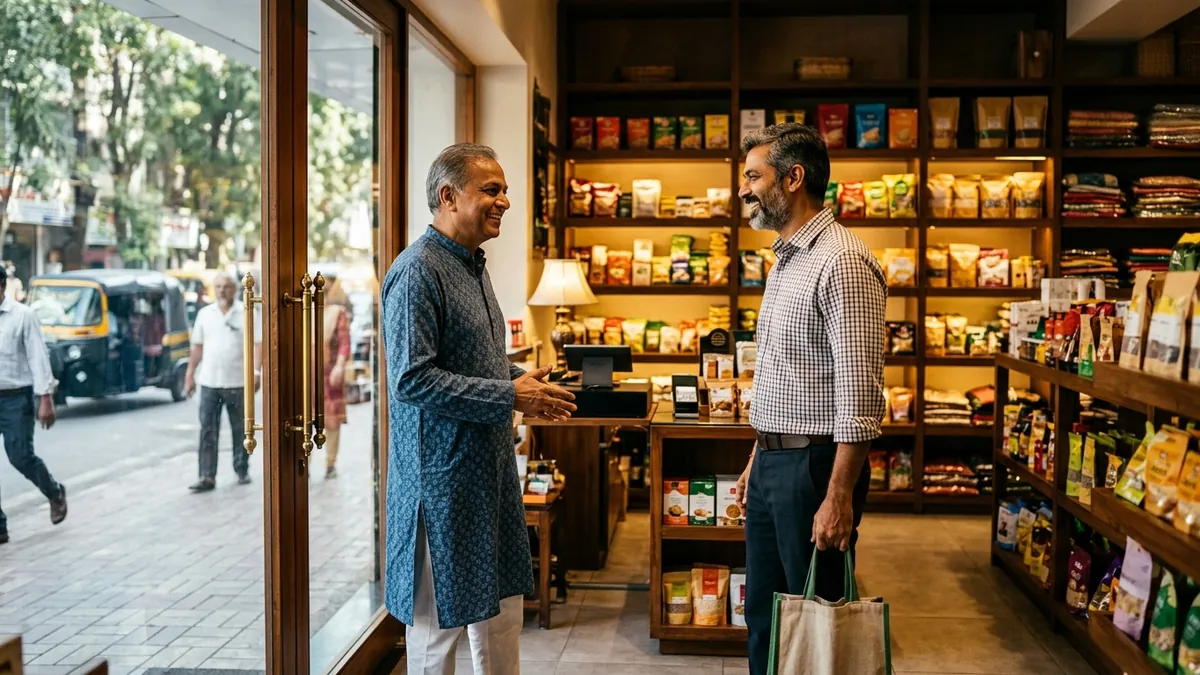
Most retail shop owners, service providers and experience businesses I meet are obsessed with one number — footfall. How many people walked in today. How many new faces came through the door. And while new customers do matter, I have noticed something troubling. Many of these businesses cannot tell me, with any confidence, how many of those first-time visitors ever came back. That blind spot is where growth quietly dies.
Here is the uncomfortable truth. Getting a new customer to walk into your shop, salon, clinic, showroom or studio costs significantly more than getting an existing customer to return. You spend on ads, signage, referrals, word of mouth and sometimes even discounts just to get that first visit. If the customer walks out and never returns, you have spent all that money for a single transaction. You are not building a business. You are running a revolving door.
I have seen this clearly with restaurant owners and boutique retailers in Bengaluru. They invest heavily in getting the first visit — Instagram ads, Swiggy promotions, influencer shoutouts. The first sale happens. The customer seems happy. And then nothing. No second visit. No message. No follow-up from the business either. Both sides forget each other within a week. The business then goes back to spending on acquiring the next new face, repeating the same costly cycle.
Why does the second visit not happen? In most cases it is not because the buyer was unhappy. It is because there was no reason to come back. No nudge. No memory trigger. No loyalty mechanism. No relationship. The business treated the transaction as the end of the journey, when actually it was just the beginning of it. This is a customer journey design problem, not a product or service problem. If you want to go deeper into how the customer journey works and where it typically breaks, I sometimes cover this in detail during a one-to-one consultation with founders who are stuck in this exact pattern.
There is also a deeper issue. Many business owners have no system to even know who their past customers are. No database. No WhatsApp group. No CRM. No record of purchase history. They have served hundreds of buyers and have no way to reach any of them tomorrow. Every month starts from zero. This is one of the most common growth blockers I see across Indian MSMEs — businesses that are busy but structurally unable to compound their growth because every customer is effectively a stranger.
So what can you actually do this month? Start with the basics. Build a simple customer contact list — even a Google Sheet works. Train your team to collect a name and phone number at every transaction, not for spam, but to stay in touch meaningfully. Send a personal message two weeks after the first visit. Ask how they are doing. Mention something specific to what they bought or experienced. Not a mass broadcast. A real message. Most buyers are genuinely surprised when a business remembers them. That surprise itself builds loyalty.
Beyond the message, think about what brings someone back. Is there a reason to return next month? A new collection, a seasonal service, a member benefit, a referral reward, a small exclusive offer for past buyers? You do not need a complex loyalty programme. You need a simple rhythm of staying relevant to people who already know and like you. I have worked with manufacturers and service businesses who doubled their repeat business within three months just by creating a reason to be in touch every thirty days. The product did not change. The follow-up system did.
If you are running a team-based business, the problem is often also internal. Your staff does not know that bringing a customer back is part of their job. They see their role as completing the service, not continuing the relationship. Changing that mindset, giving them simple scripts and checklists, making repeat visits a metric that actually gets tracked — that is where the shift happens. This is something I address in business growth workshops designed specifically for MSME owners and their teams, because the owner alone cannot hold this together.
Getting walk-ins is good. Turning walk-ins into regulars is what builds a real business. Stop measuring only how many new people came in. Start measuring how many came back. That second number will tell you the truth about whether your business is actually growing or just staying afloat. If you want help figuring out where your customer journey is breaking and what to fix first, visit the contact page and let us have a direct conversation about your business.
Want to understand where your business growth is stuck?
Book a Business Growth Diagnostic with Abhijit JK — an honest, focused 60-minute one-to-one session with Abhijit JK on your brand, website and growth.
Book a Business Growth Diagnostic

